Iyengar Rope Wall
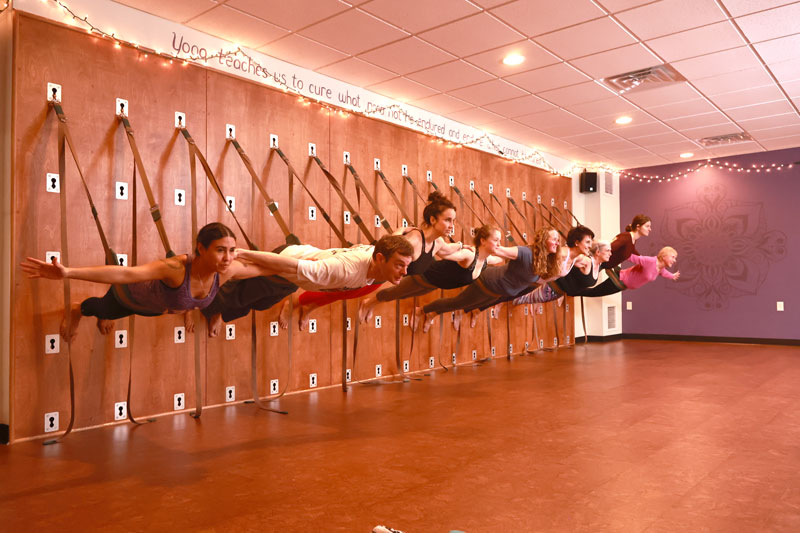
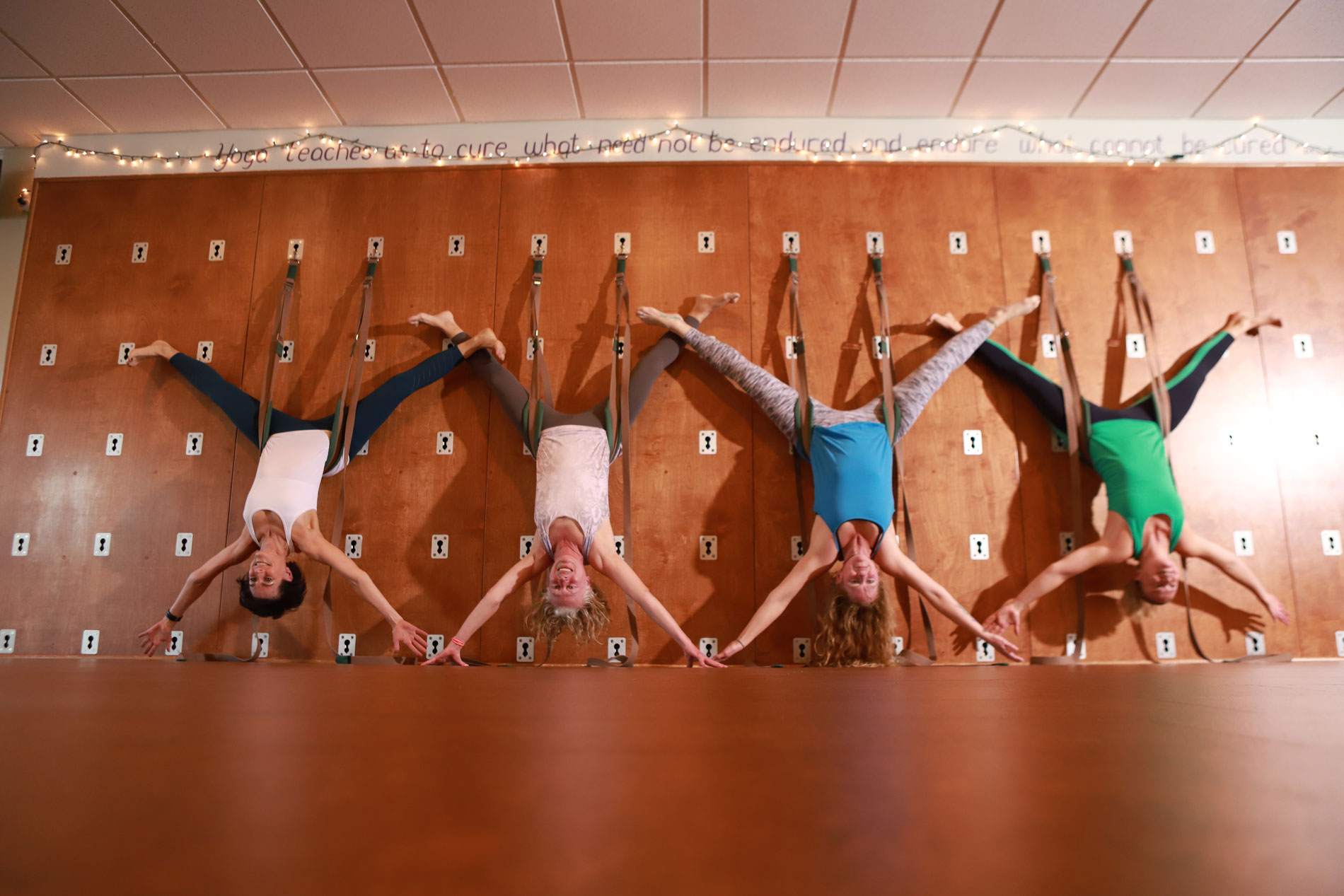
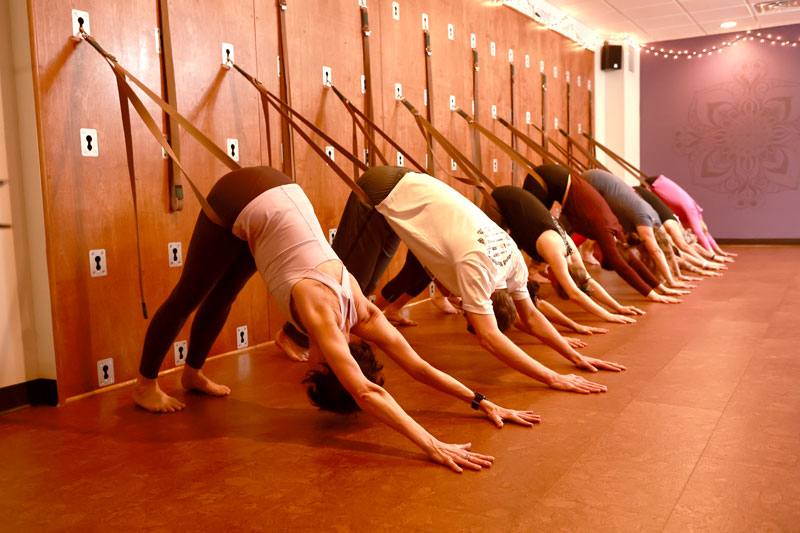
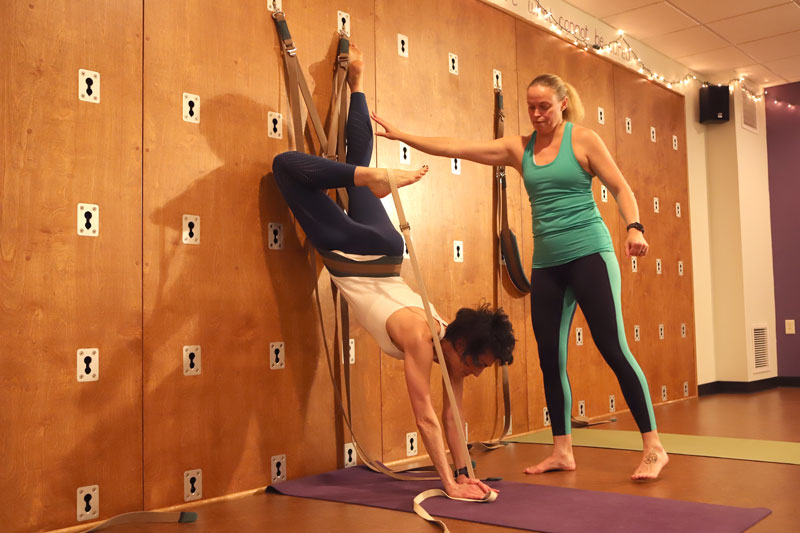
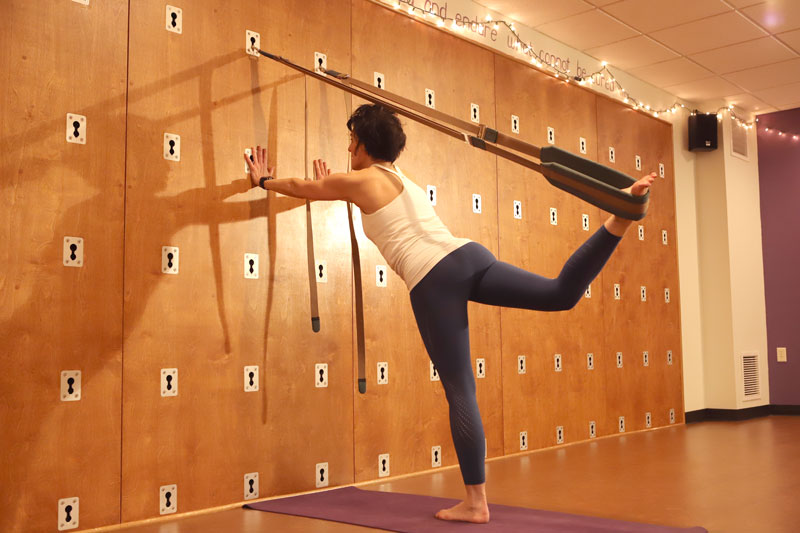
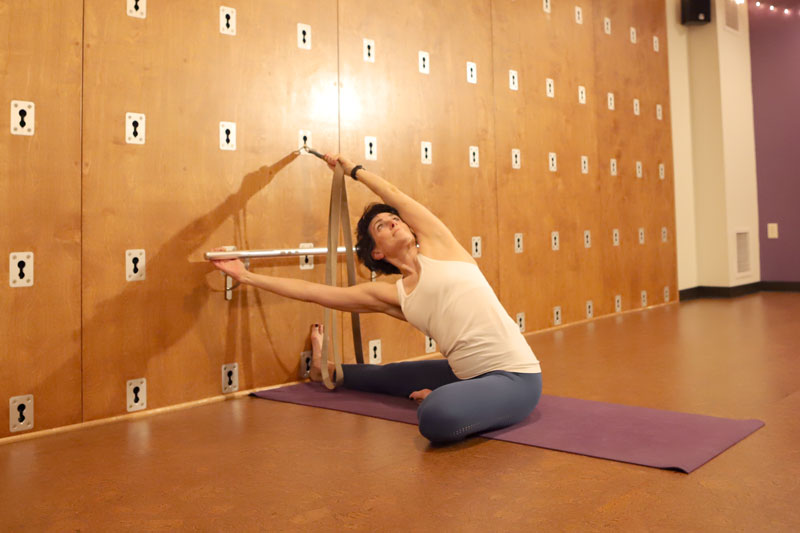
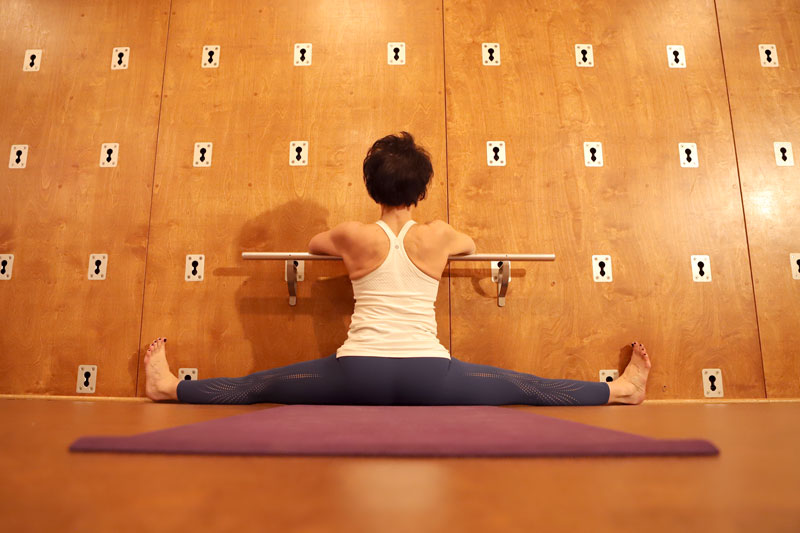
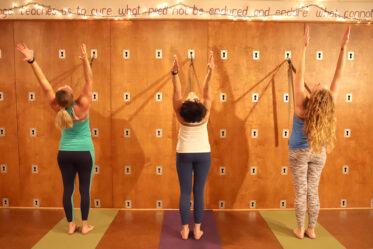
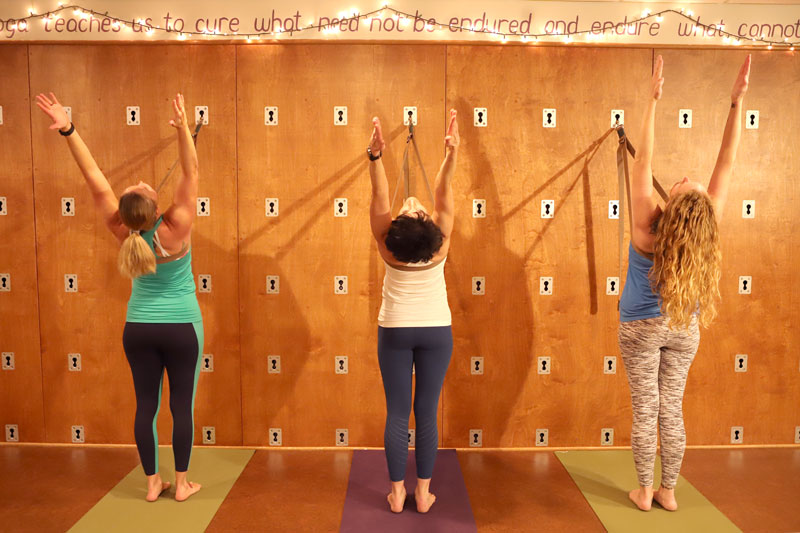
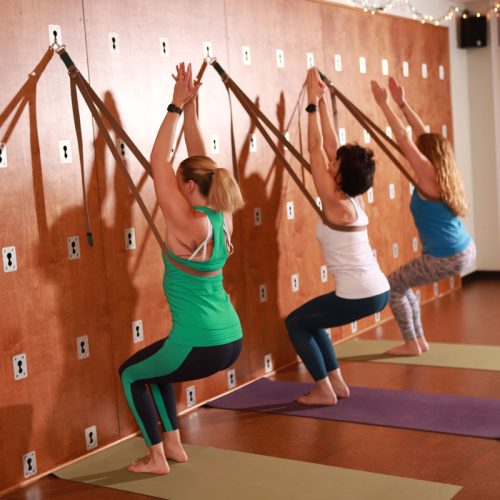
At Yoga Elements, we are proud to be the only space in the area equipped with a traditional Iyengar Rope Wall—an invaluable tool for deepening yoga practice and expanding possibilities on the mat. Inspired by the teachings of BKS Iyengar, the Rope Wall provides support, traction, and alignment in ways that are difficult to achieve otherwise. It allows students to safely explore inversions, spinal extensions, and weight-bearing postures with a sense of freedom and ease, while also offering therapeutic applications for the spine, hips, and shoulders. Whether you are new to yoga or an experienced practitioner, the Rope Wall is a powerful aid in cultivating balance, strength, and awareness.
Working on the Rope Wall is often referred to as Yoga Kurunta. The term “kurunta” comes from the Sanskrit word meaning puppet, which reflects the idea the idea that the ropes support and guide the body, much like how a puppet effortlessly moves on its strings. This practice can break the barriers of the mind – we often think we cannot do something and this tool will help us understand new horizons and find freedom in the body. Our rigidity and sense of “stuckness” is not only physical, but often in our minds.
Benefits of practicing with the rope wall
Spinal Decompression & Alignment
- Using the ropes allows traction on the spine, relieving pressure on discs and joints.
- Encourages correct posture and helps realign the body naturally.
- Especially supportive for people with back pain or stiffness, especially those who sit in front of a computer all day!
Deepening Asanas (Poses)
- The ropes provide extra support and resistance, making it possible to hold poses longer and with more stability.
- They help practitioners safely explore advanced postures (like inversions or backbends) that may otherwise be difficult.
Strength & Flexibility
- Builds upper body and core strength through pulling and holding against the ropes.
- Enhances flexibility by allowing safe, controlled and mindful stretching, especially in the hips, shoulders, and spine.
- Encourages the use and activation of muscles that may not be used in traditional exercises or movement.
Therapeutic Applications
- Commonly used in Iyengar therapy to support rehabilitation from injuries.
- Provides safe modifications for those with limited mobility, balance issues, or stiffness.
- Helps reduce chronic tension in the body.
Support in Inversions
- Allows practitioners to experience the benefits of inversions (like Headstand or Shoulderstand) without compressing the neck or risking strain. The rope wall is an entry point for more advanced postures.
- Improves circulation and energizes the nervous system in a supported way.
Enhanced Body Awareness
- The tactile feedback from ropes brings attention to alignment and muscular engagement. The support of the wall allows for greater focus on the body’s current state and sensations, and the direction of energy in the body.
- Trains awareness of how the body moves and balances in space.
Confidence & Safety
- The support of the wall and ropes helps practitioners feel secure trying new or challenging poses, including spinal extensions (backbends) and inversions.
- Reduces fear of falling, especially in inversions or balance postures.
Play!
- Practicing on the wall is fun! Exploring new ways to practice familiar poses is beneficial to our nervous system and our brains.
- Shake up familiar patterns of movement by getting our feet off the floor, flipping ourselves upside down, and learning to trust the support of the wall.
Your first class is free to provide you the opportunity to get familiar with our studio and yoga family. We encourage you to sign up today and take the first step on a purposeful journey!
FIRST CLASS IS FREE
Your first class is free to provide you the opportunity to get familiar with our studio and yoga family. We encourage you to sign up today and take the first step on a purposeful journey!